
Methods, Equipment and Safety

Commercial power washing is one of the most widely used cleaning methods across commercial and industrial environments. It is designed to remove dirt, algae, oil, graffiti, carbon deposits and general surface contamination from buildings and hard surfaces. Unlike domestic jet washers, commercial power washing uses professional equipment, specialist detergents, higher flow rates and controlled pressure suitable for larger sites and more complex materials.
This section explains how commercial power washing works, the equipment professionals use, the difference between power washing and pressure washing, and how to ensure any cleaning is carried out safely and effectively.
What is Commercial Power Washing?
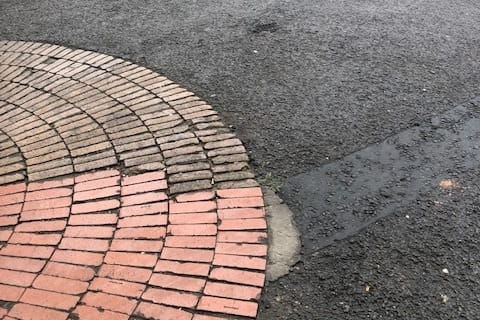
Commercial power washing refers to the process of cleaning external surfaces using high pressure water. In many cases, it also includes heat for deeper cleaning. It can be used on brick, concrete, tarmac, render, cladding, metal, stone and other hard surfaces found on commercial and industrial buildings.
Businesses choose commercial power washing because it delivers fast, consistent results on large areas. It is suitable for buildings, car parks, walkways, service yards, warehouse floors, plant equipment, machinery, loading bays and many other areas.
Power Washing, Pressure Washing and Jet Washing Explained
Many people use these terms interchangeably, but there are clear differences.
Power Washing
Uses heated water combined with pressure. Suitable for grease, oil, chewing gum removal and deep cleaning.
Pressure Washing
Uses high pressure but not always heated water. Suitable for most general building surfaces including cladding, brickwork and concrete.
Jet Washing
A general public term that can refer to any form of high pressure cleaning. Professionals rarely use this term, but customers often do.
Commercial power washing is the most accurate term when describing professional cleaning delivered using commercial grade machinery.


Equipment Used in Commercial Power Washing
Professional cleaning companies use specialist systems that allow high pressure, high heat, or both. The equipment typically includes:
- High pressure power washers
- Hot water pressure washers
- Rotary surface cleaners
- High flow rate pressure units
- DOFF and steam cleaning systems
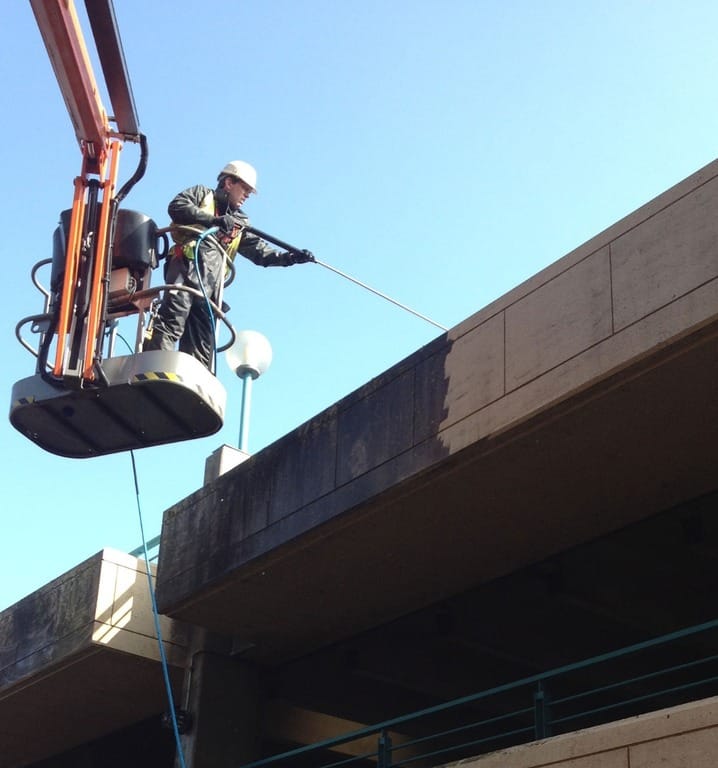
- Telescopic and high reach lances
- Biocide and detergent dosing systems
- Water-fed poles for rinsing
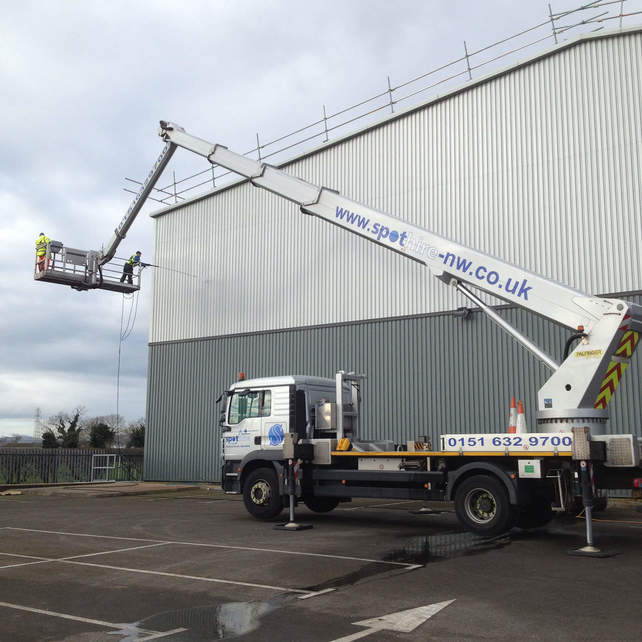
- MEWPs for high level access
This equipment allows safe, deep cleaning while protecting the integrity of the surface.
When Commercial Power Washing Should Not Be Used
Not all surfaces are suitable for direct high pressure. In some cases, low pressure or soft washing is required to avoid damage.
Avoid direct high pressure on:
- Delicate render such as K Rend without soft washing
- Painted surfaces that are flaky or unstable
- Some types of cladding with oxidised coatings
- Roof tiles that are brittle or aged
- Damaged mortar or pointing
- Timber cladding
- Historic stonework without specialist assessment
A professional contractor will assess the surface and choose the correct cleaning method.
Common Applications of Commercial Power Washing
Commercial power washing can be applied to many environments including:
- Exterior building cleaning
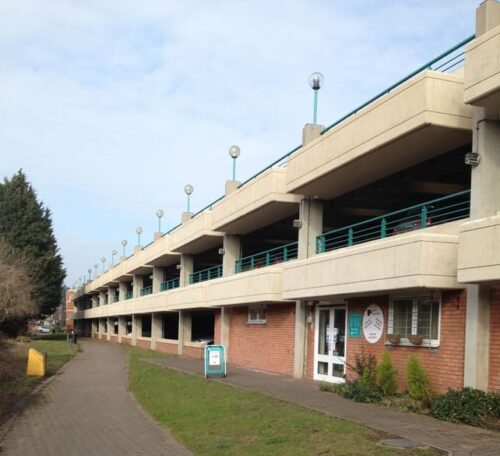
- Car parks and forecourts
- Warehouse floors and industrial units
- Shopfronts and retail sites
- Graffiti removal
- Loading bays
- Pathways and public spaces
- Plant and equipment cleaning
- Fleet and vehicle washing
- Garages and workshops
The method used depends on surface type, contamination and safety requirements.
Commercial Detergents and Chemicals
Professional cleaning sometimes requires detergents to break down contaminants. Common examples include:
- Biocides for algae and moss
- Degreasers for oil and mechanical residue
- Traffic film removers for car parks and forecourts
- Low pressure render cleaning solutions
- Specialist graffiti removers
All chemicals must comply with COSHH and be used responsibly.


Health, Safety and Risk Management
Safety is critical when carrying out commercial power washing. Professional operators follow strict procedures including:
- COSHH risk assessments
- Method statements
- Surface suitability tests
- Water run off control
- Safe chemical handling
- Use of PPE
- Site cordoning
- Correct use of MEWPs for height access
- Environmental protection, including water capture where needed
This ensures work is performed safely, legally and with minimal disruption.
How Encanto Delivers Professional Commercial Power Washing
Encanto uses commercial grade power washing systems suitable for large buildings, industrial sites and commercial environments. Their technicians are trained in safe surface cleaning, soft washing, DOFF steam cleaning, cladding restoration and large area cleaning.
Encanto can deliver:
- Building washing
- Industrial site cleaning
- Car park cleaning
- Render and cladding washing
- Roof and gutter cleaning
- Graffiti removal
- Floor and concrete cleaning
- Fleet and machinery washing
All work is completed to commercial standards with full compliance and environmental consideration.

1. What is the difference between power washing and pressure washing?
Power washing uses heated water. Pressure washing uses high pressure but not always heat. Heated water helps dissolve oils, grease and stubborn staining, making power washing ideal for commercial sites.
2. Is commercial power washing safe for all surfaces?
No. Some surfaces require low pressure or soft washing. A professional will assess the material and choose the correct cleaning method to avoid damage.
3. Can commercial power washing damage render?
High pressure can damage render, but low pressure soft washing is safe. K Rend and Monocouche should be cleaned using soft washing followed by a controlled rinse.
4. Do businesses need permission or permits for power washing?
Some sites require permissions for wastewater control or closing public walkways. Encanto handles all compliance and safety considerations for clients.
5. Can power washing remove algae and moss?
Yes. Algae is removed using biocides and a controlled washing process. Moss may require manual removal and follow up treatment.
6. How often should commercial buildings be power washed?
Most businesses benefit from annual cleaning. High traffic or high pollution areas may require more frequent maintenance.
7. What water temperature is used in power washing?
Hot water systems can reach high temperatures, but the correct temperature depends on surface type and contamination. Oil and grease respond well to heated water.
8. What pressure level is used in commercial washing?
Commercial machines range from low pressure to several thousand psi. Professionals adjust pressure depending on the material being cleaned.
9. Can commercial power washing help maintain property value?
Yes. Clean buildings look more professional, last longer and require fewer repairs. It reduces deterioration from algae, dirt and pollution.
10. Does Encanto offer site inspections or surveys?
Yes. Encanto provides site visits to assess the building, test surfaces and confirm the correct cleaning method before providing a quote.
Go back to ‘The Complete Guide to Commercial Power Washing‘
Read the next page ‘Commercial Building & Facade Washing‘